





Carolina Bubbico
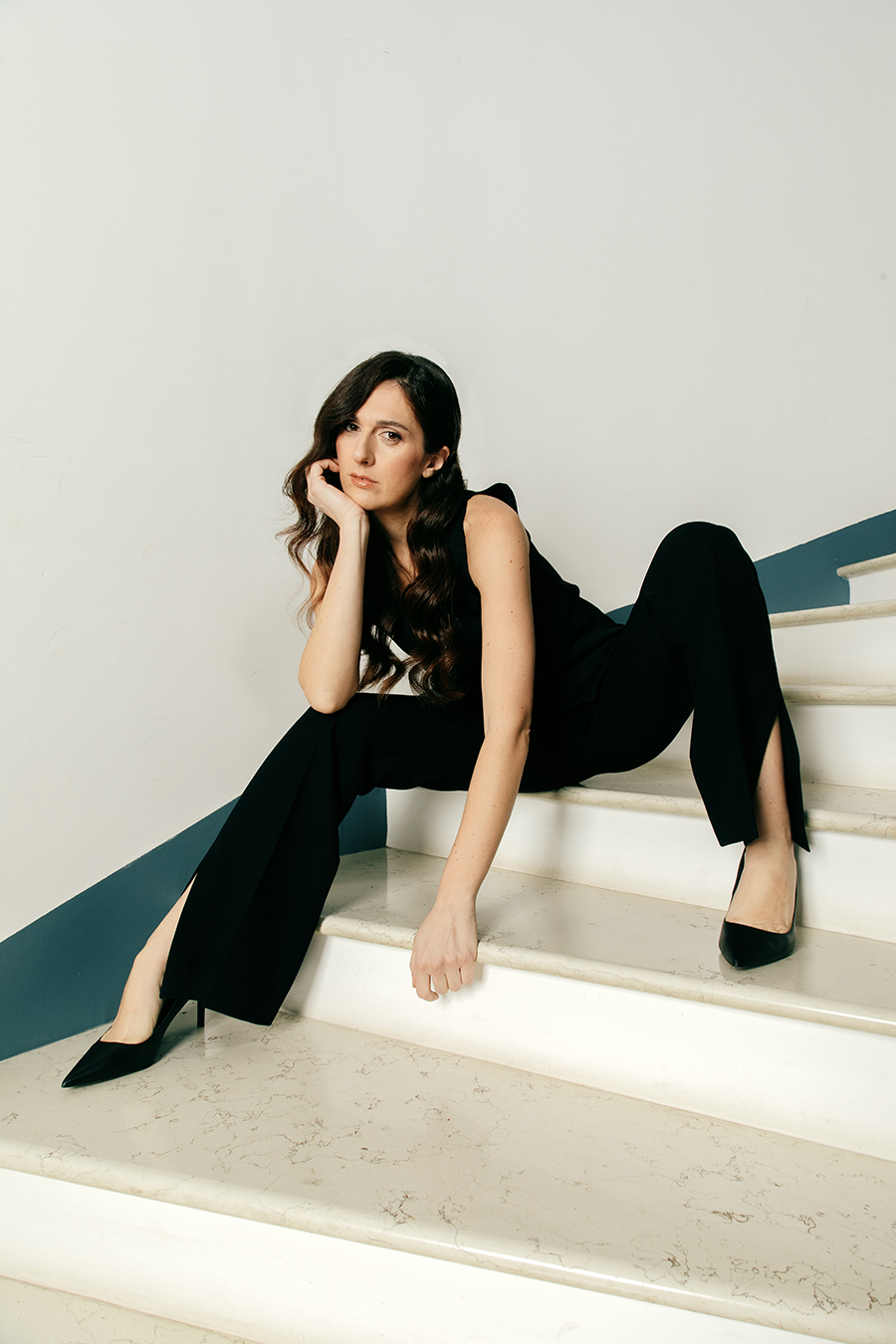
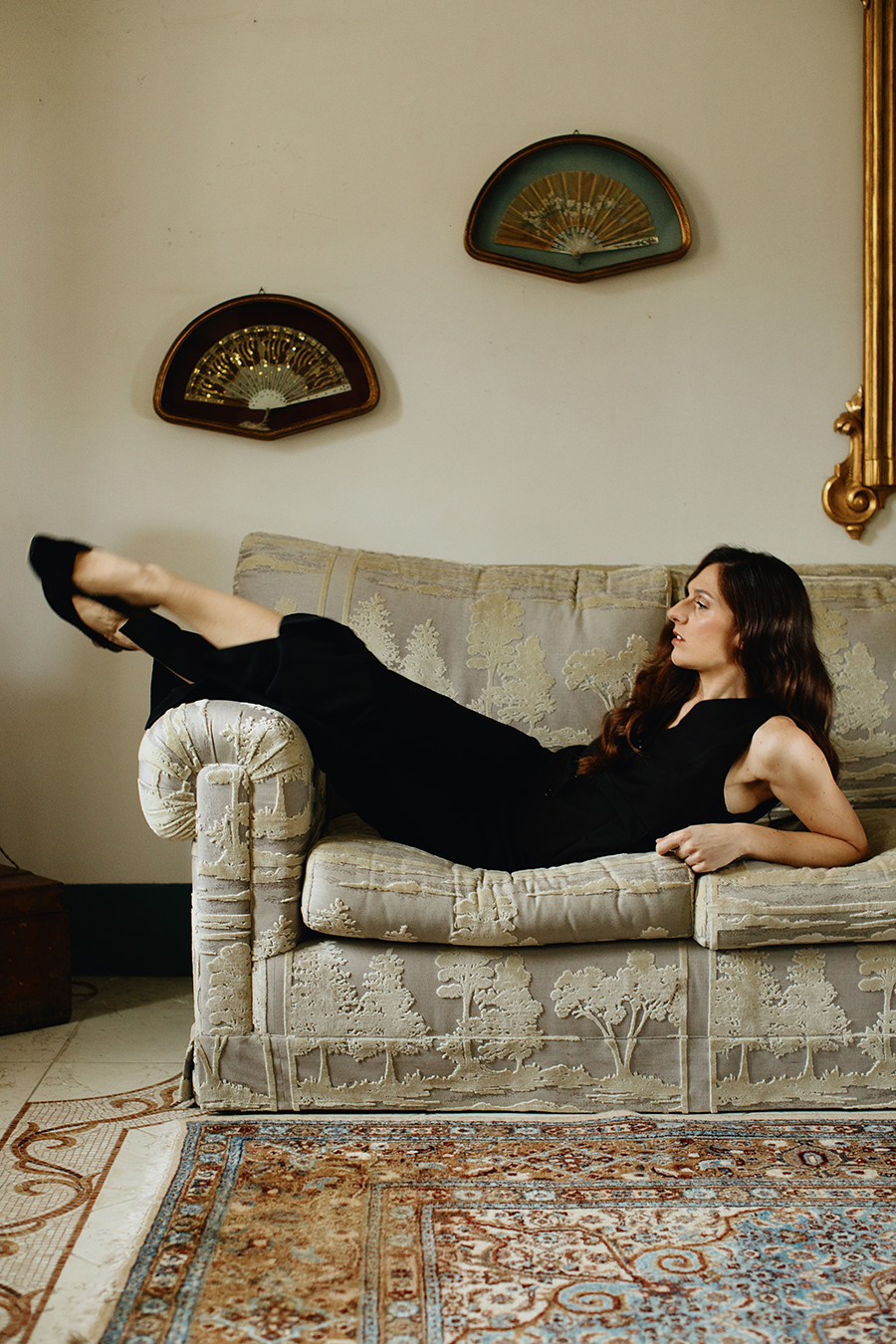
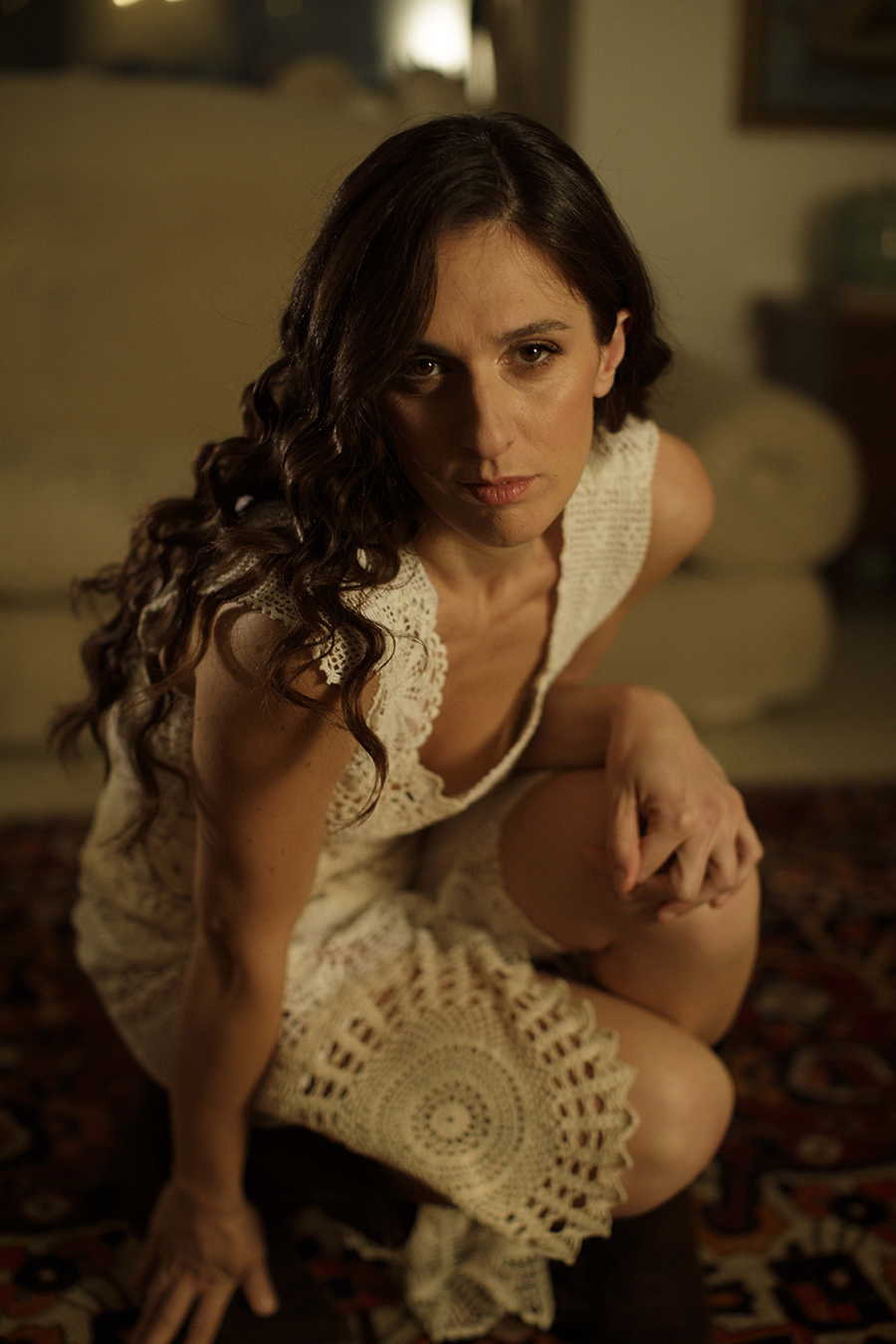
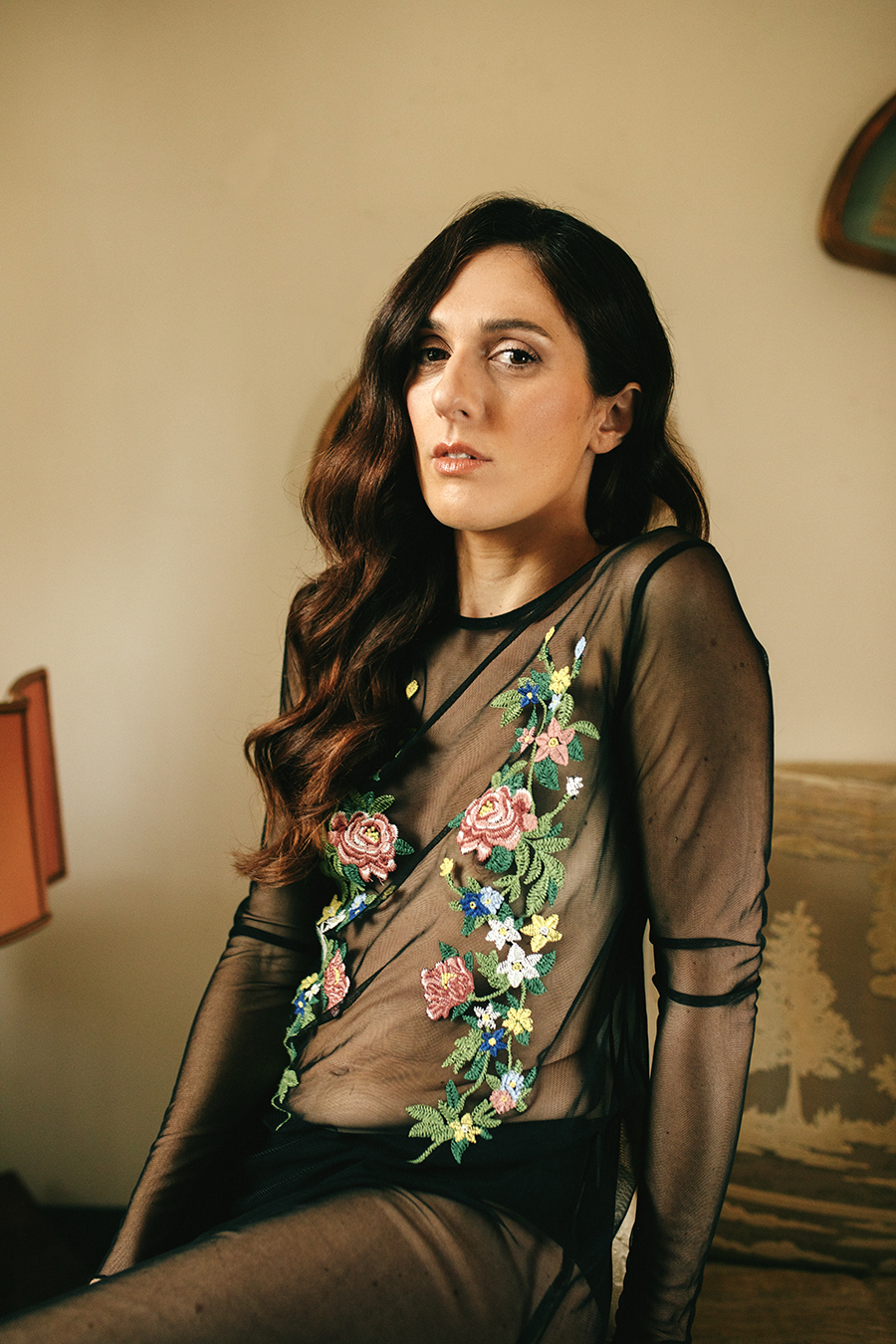
Carolina Bubbico Bio
Carolina Bubbico is a singer, multi-instrumentalist, arranger, and conductor, active on both the Italian and international music scenes. She has performed at major festivals, clubs, and theaters, including the Blue Note in Tokyo and Beijing with Nicola Conte. She has taken part in three editions of the Sanremo Festival as arranger and conductor: for Elodie (Big 2023), for Serena Brancale and Il Volo, who won the edition she worked on, and in 2026 for Ditonellapiaga.
She released her debut album Controvento at the age of 23, a project entirely written and arranged by her and welcomed with enthusiasm by critics and audiences. Several tracks were featured in the soundtrack of Francesca Muci’s film L’amore è imperfetto, in which Carolina also appears. Two more albums followed: Una donna (2015) and Il dono dell’ubiquità (2020).
Over the years she has published numerous singles and collaborations, including Quanto ti voglio (2022), Terronda with Cristiana Verardo and special guest Tosca (2022), Portami a ballare (2023), Nina (2024) with a music video by Dario Acocella, and Mangia la mela (2025), written and performed with Erica Mou and produced with the support of the Puglia Region’s Welfare Department.
Her fourth album, Vocàlia, will be released in April 2026 on the American label GroundUP Music, founded by Michael League.
In 2023 she toured Il dono dell’ubiquità on renowned stages such as Time in Jazz, Blue Note Milano, and Auditorium Parco della Musica. Her live performances stand out for their blend of musical languages: danceable grooves, intimate songs, world-inspired colors, a balance between acoustic and electronic textures, and original reinterpretations of Italian and international repertoire.
Alongside her work as a recording artist, she develops orchestral projects and commissioned works. In 2023 she arranged and conducted the Earth Wind & Fire Experience for The Brass Group at the Sicilia Jazz Festival, presenting the first-ever concert by the iconic American band with a Big Band in Italy. She is also the creator of Pangea, a symphonic project exploring dialogue between musical cultures, premiered with the OLES Orchestra (2019), later presented with the Banda di Ruvo di Puglia at the 2023 Talos Festival, and in 2024 in three performances with the Orchestra della Magna Grecia.
She collaborates with Hal Leonard as a music transcriber for artists including Måneskin, Stromae, Marco Mengoni, Niccolò Fabi, Dardust, and, in 2026 Rosalía. She teaches Pop Singing at the “Tito Schipa” Conservatory in Lecce.
Music
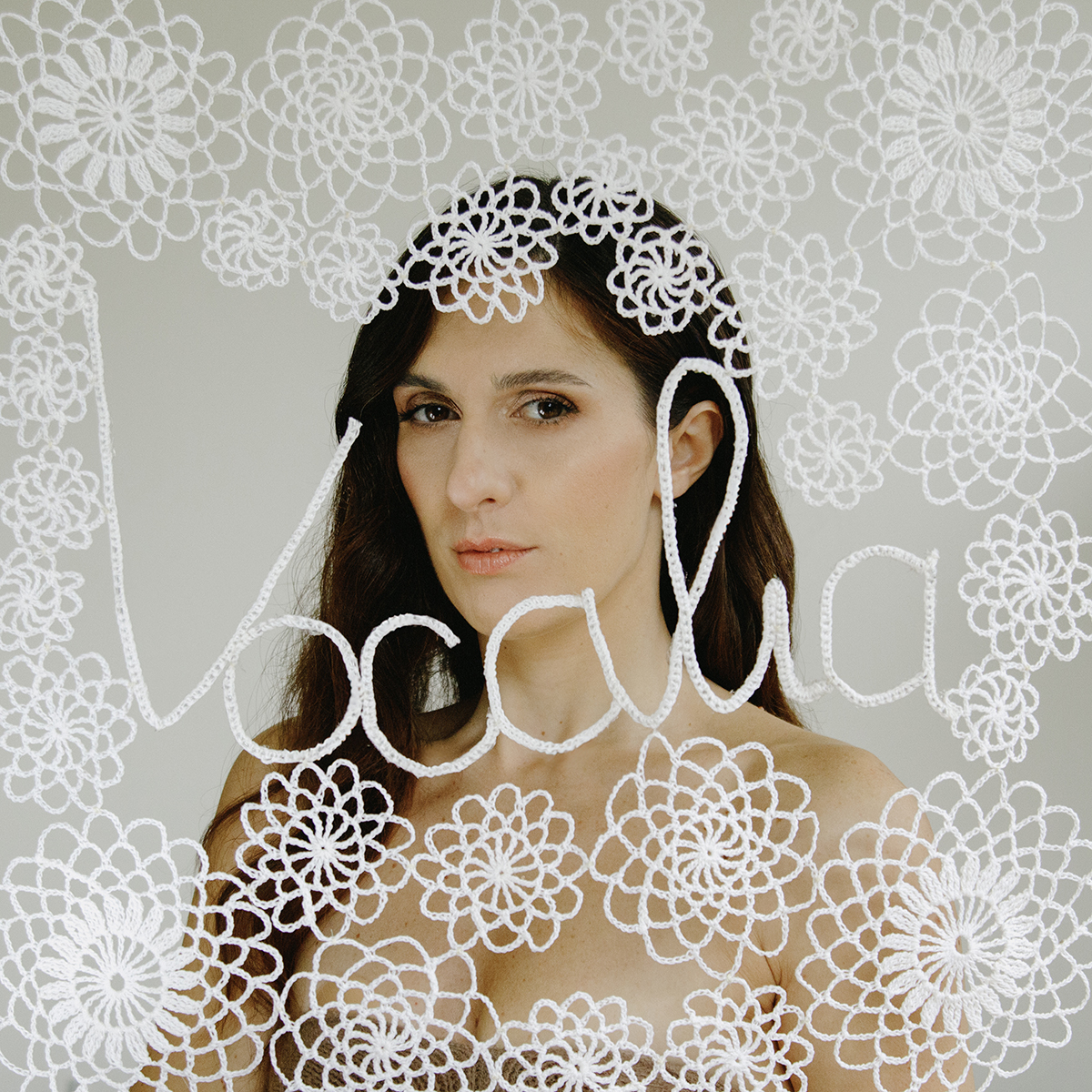
Vocàlia (2026)
Vocàlia is the title of Carolina Bubbico’s fourth album, a multilingual, choral, ancestral, and inclusive vocal orchestra. It is her personal act of love toward life: a message of hope she dedicates to her daughter Nina and to all children of the future.
The album took shape during a profoundly transformative phase in her life: motherhood. This experience opened the door to new emotions, moments of crisis, inner shifts, and ultimately a creative rebirth marked by renewed clarity, vision, and drive.
The term Vocàlia, rooted in Latin, refers to the vowels, the essential sounds of language, evoking the raw material from which singing emerges. In this project, Vocàlia becomes a poetic and surreal name, a world where the voice takes on a central, expansive role and embodies femininity, ancestry, and collective expression.
Over the past fifteen years, Carolina has explored vocal ensemble work extensively, through her loop station performances and collaborations with choirs, discovering the immense potential of perceiving herself within an orchestral landscape made entirely of voices. Here she sets herself the challenge of shaping a vocal-only arrangement style that feels cohesive, modern, and sonically rich.
For her, vocal harmony is the highest form of collective sound: an architecture balanced between vertical and horizontal motion, a constant interplay in which every line supports and enhances the lead melody.
Carolina transforms the inner “noise” of thoughts into music. During the orchestration process, melodic lines surface one after another in her mind, intertwining into a musical stream of consciousness that allows her to translate her emotional world into sound.
The symbolic image of this creative journey is a lace doily, a small hand-crafted crochet piece representing knowledge passed down through generations. For her, it becomes the metaphor of a vocal score forming spontaneously within her. Each thread, like each voice, weaves into another to create a complex, harmonious pattern, a doily made of voices.
At the core of the project is the transformation of her voice into a multifaceted melodic and harmonic instrument capable of fulfilling every orchestral function. She carefully sculpts dynamics, timbres, phonemes, and syllabic textures to give each piece its unique character. At times the voice plays in call and response; elsewhere it evokes a brass section, a string ensemble, or becomes a rhythmic engine generating polyrhythms through vocal riffs.
Carolina performs in multiple languages thanks to the collaboration of distinguished co-writers: Becca Stevens, Greta Panettieri, Giuseppe Anastasi, Simona Severini, Lauryyn, Antonio Villeroy, and Cristiana Verardo. The lyrics explore themes of rebirth, overcoming hardship, the arrival of new beginnings, trust, simplicity, and a deep love for life.
The album features two guest artists: Becca Stevens on Everlove and Mari Jasca on Uma rosa e um bordado.
The rhythmic landscape is shaped by Finnish percussionist Abdissa Assefa, who contributed a rich palette of sounds drawn from musical traditions around the globe.
The entire album was produced by Filippo Bubbico, who also performed and processed all synth bass parts, opening experimental pathways that give Vocàlia its contemporary and distinctive sound.